Published March 2, 2018 12:00AM
5 Keys to Homemade Pizza, the Perfect Recovery Food
It's nature's perfect post-workout meal, and don't let anyone tell you otherwise
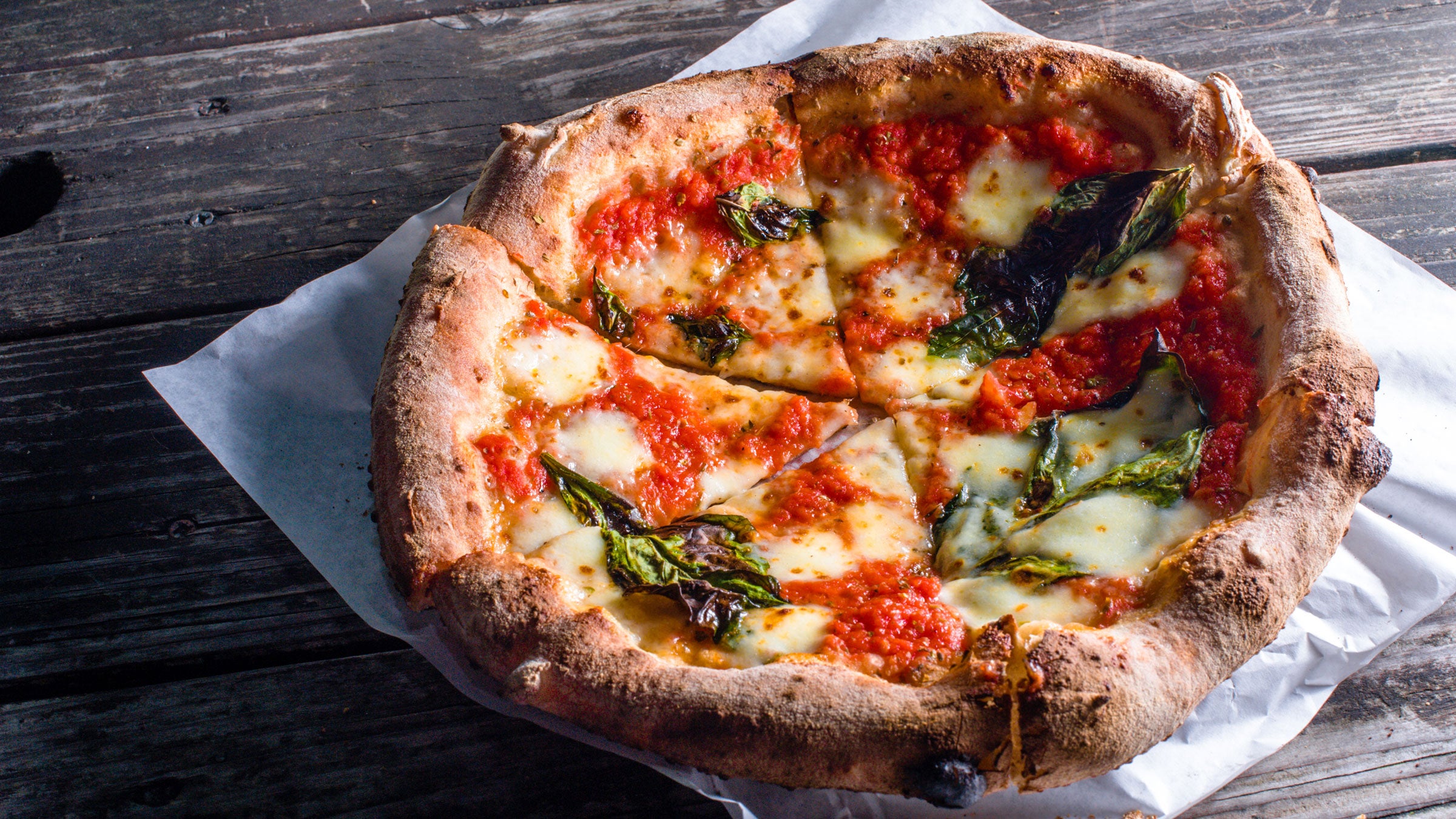
It’s carby. It’s got some protein. You can put veggies on it.
While a protein shake may be what your coach wants you to eat post-workout, I posit that pizza is the most magnificent of recovery foods. It’s carby. It has some protein. You can put veggies on it. Plus, you can bake off a fresh pie in just minutes, so you don’t miss that recovery window.
Just ask Anthony Mangieri, one of America’s most celebrated pizza chefs, who runs Una Pizza Napoletana in San Francisco (and, soon, New York). He’s also an obsessive biker, having grown up on BMX and dabbled in road riding and is now a regular on the singletrack in Marin. To Mangieri, pizza ties with burritos for the ultimate post-ride food because “it’s super-satisfying” and, more important, “it goes well with beer.”
But Mangieri says you need to change your expectations when it comes to homemade pizza. “Embrace it for what it is. Don’t try to replicate what you’re eating in a pizzeria, because there are just too many factors that you won’t be able to duplicate,” he says. He often makes pies for his family using his regular old oven, and sometimes he takes it outside. “I loved grilled pizza—it’s like a whole other product. It’s texturally different and has some of those smoky flavors you’d get from a wood oven,” Mangieri says.
ADVERTISEMENT
He often refers to these creations as “grandma” pizzas, and while they aren’t as sexy as the creations he’s famous for, they are just as satisfying. Here are Mangieri’s tips for making the perfect pie.
Make Your Own Damn Dough
This is nonnegotiable. “It’s really easy. There are so many resources on the internet for learning how to do it, and it makes a huge difference.” To Mangieri, pizza isn’t about pepperoni or cheese. It’s about the sanctity of really exquisite bread. In fact, he says that some of his favorite creations are pizzas ordered for kids, topped with nothing but olive oil, salt, and maybe a touch of fresh Parmesan.
If you’re a beginner, start with a yeast-based recipe. The New York Times’ formula is foolproof. If you have sourdough starter around, King Arthur’s recipe using sourdough starter has excellent flavor. Once you’ve mastered a standard yeasted dough, it’s time to start playing with a “biga.” This is a dough fermented for a long time, usually overnight, that contains a touch of commercial yeast, which imparts interesting flavors and textures. Here’s a good recipe to get you started.
Don’t Rush Things
You can have dough ready to go in an hour and a half, but you need to do one last rise after the pizza dough is pressed into a pan. (And, yes, you should make it in a pan—it’s just easier to work with than a pizza stone in the confines of a home oven.)
ADVERTISEMENT
Stretch your dough ball into a circular shape, focusing on pulling out the edges. If you try to work the dough from the center, you’ll end up with holes. When you get close to pan size, flop the dough into your baking vessel and gently work it out toward the edges of the pan. Give it a light brush with olive oil, cover it with a cloth, and allow it to rise for at least 20 minutes. This final rise “gives it the lightness that you’re looking for in good pizza dough,” Mangieri says. Plan ahead for post-workout hunger by stretching your dough into the pan in the morning, then covering and letting it rise in the fridge.
Chill with the Toppings
More of everything may be the American way, but it’s not how the Italians do it. Go light on the sauce, cheese, and toppings to bring the crust’s intricacies into focus, Mangieri says. Here’s his routine:
- Start with the highest-quality whole canned tomatoes you can buy. He is partial to Danny Coop and La Valle. Open the can, drain the liquid, then seed and crush a few tomatoes. You can crush them with your hands or stick them in your food processor. Slather these crushed tomatoes onto your dough—this is your sauce.
- Add a touch of sea salt and any other herbs you’re feeling. Fresh basil is always a good addition.
- Don’t be cheap about your cheese. Fresh mozzarella is available in almost every grocery store in America at this point; there is no excuse.
- Finish with a few other toppings. For veggies that release a lot of water when cooking (think mushrooms or spinach), either sauté them first so they release some of that water or don’t add them until the final few minutes of cooking so they’re not on the pizza long enough to leak veggie sweat.
Bake to Perfection
While some pizza pros will encourage you to ramp your oven up to “surface of the sun,” Mangieri thinks that’s counterproductive. You’ll only risk singeing the bottom of your crust before the top of the pizza has reached perfection. He usually sets his oven to 450 degrees Fahrenheit.
Start checking the pizza after eight minutes or so. Look at both the top and the bottom. The cheese should be melted and just starting to bubble, and the bottom of the pizza should be a perfect golden brown.
ADVERTISEMENT
Finish It Your Way
Mangieri tops his pies with fresh pecorino or Parmesan once they’re out of the oven. “These cheeses are so delicate that when you bake them, it kind of changes the texture, so if you add the cheese at the end, it keeps its flavor and texture,” he says. He’ll also often add a fresh egg to the top of the pizza, then stick it back in the oven for a minute or two more. A handful of arugula or greens can also brighten up a pie. Let it cool for at least a moment (we know, it’s hard) before digging in.
