Published September 6, 2016 12:00AM
The 5 Power Foods You Really Should Be Making
Plus 5 store-bought staples that'll maximize your time and money
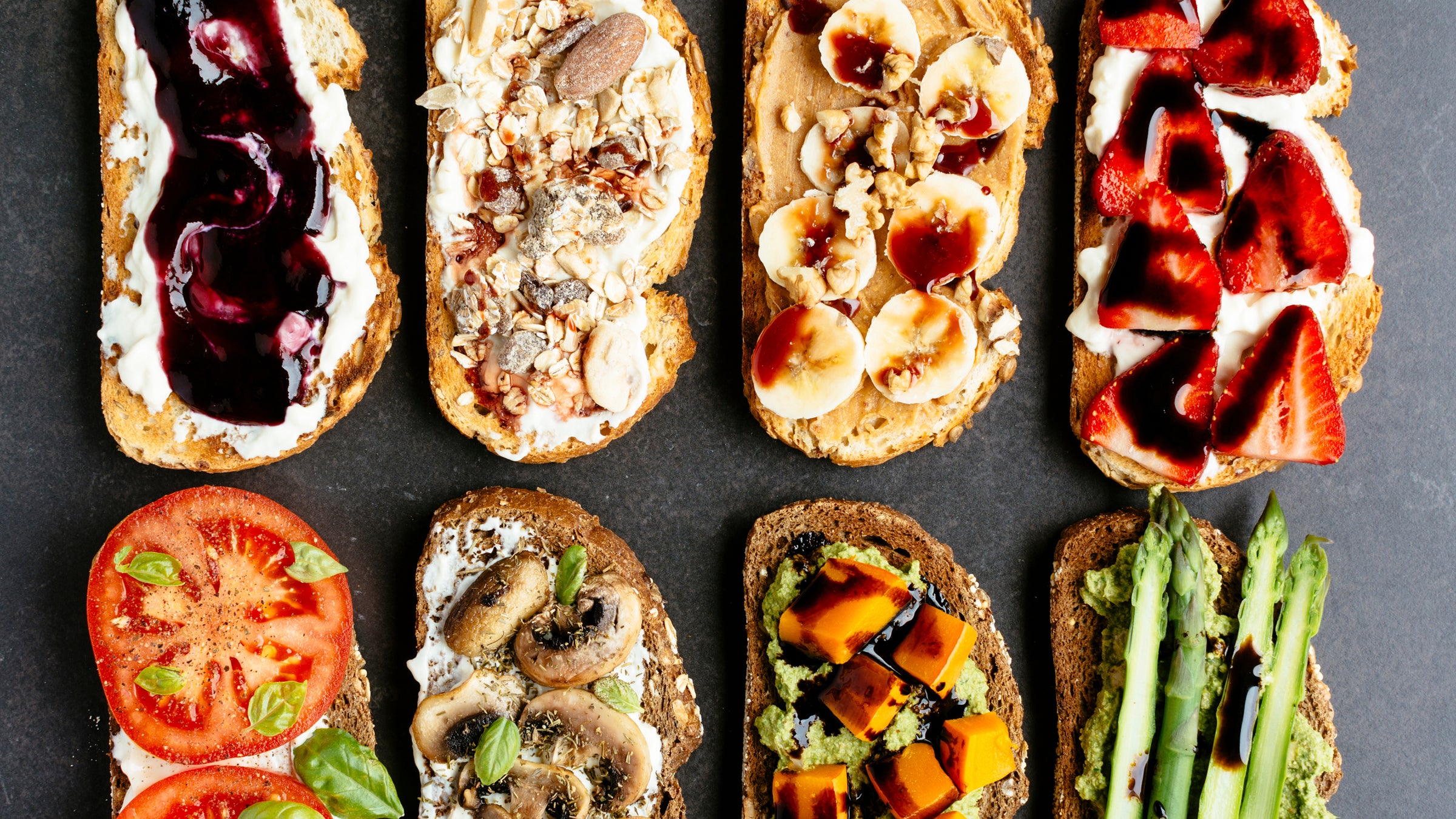
Making your own staples—things as simple as nut butters—can save tons of money (and taste better than store-bought anyway).
In an ideal world, we’d all have the resources to lovingly hand-craft our food and beverages from scratch, using only all-natural, locally sourced, organic ingredients.
But this is reality, not Kinfolk. Most of us are constantly under the gun, and fitting in a high-quality snack before a workout or on the way to a biking excursion is, all too often, an afterthought. Since our waking hours are precious, we must face the eternal question: which foods are worth it (quick, cheap, and extra-nutritious) to make, and which are better off store-bought?
That’s where we come in.
Below, we’ve outlined recipes and preparation tips for five items that are simple and cost-effective to whip up at home, plus five others for which savvy eaters can actually save time and money—without sacrificing quality—by opting for the store-bought version.
ADVERTISEMENT
It’s Worth Making Your Own
Nut Butter
Why you love it: For vegans and carnivores alike, nut butter is one of the simplest snacks to whip up and carry for hiking, biking, or as a plan-ahead afternoon snack.
Make it better: Walnuts are chronically overlooked—even by nut lovers—and that’s a true shame. Inside their shells, walnuts pack a rich source of vitamin E, omega-3s (the most of any nut butter!), and folate. They’ve also been shown to improve heart health and cognitive functioning.
If you need to buy it: Squeeze packs of Artisana Raw Walnut Butter are an easy-to-use, mobile-friendly choice.
ADVERTISEMENT
Toasted Spiced Walnut Butter
Yield: One cup
Ingredients
- 1 cup walnuts, cleaned and hulled
- 1/4 teaspoon salt
- 1 tablespoon walnut oil (or more, to taste)
- 1/4 teaspoon cayenne pepper
Preparation
- Line a baking sheet with a piece of parchment paper, and spread walnuts on the parchment in a single layer.
- Toast the walnuts at 350 degrees Fahrenheit until fragrant, about five to ten minutes, stirring occasionally.
- Allow walnuts to cool, then place in food processor with salt and cayenne. Begin to pulse while simultaneously streaming in walnut oil until the mixture achieves a paste-like texture.
- Refrigerate walnut butter in an airtight container for up to two weeks.
ADVERTISEMENT
Kimchi
Why you love it: If you’re looking for a healthy punch, you may be seeking out raw or fermented foods. Kimchi just so happens to be both. It’s also one of the tastiest things ever to be put in a jar and a perfect spicy stand-alone bite. One homemade batch of the fermented vegetables can last for months, making it extremely cost effective. The recipe below is ideal for late summer and early fall, replacing traditional cabbage with zucchini.
Make it better: Fiber-rich radishes add yet another dose of vitamins and minerals, from vitamin C to zinc, to the mix.
If you need to buy it: Store-bought, mass-produced kimchi often contains sneaky preservatives and is wildly overpriced. Try inquiring at a local Korean restaurant or Asian grocer about potential options made in-house.
ADVERTISEMENT
Zucchini Kimchi
Yield: Three cups. This recipe originally appeared in Short Stack Edition: Summer Squash.
Ingredients
- 1 pound zucchini, sliced into half-inch-thick rounds (about 3 cups)
- 1/2 pound radishes, sliced into matchsticks (about 1/2 cup)
- 2 tablespoons salt
- 2 teaspoons minced garlic
- 1 teaspoon minced ginger
- 1 teaspoon anchovy paste
- 3 teaspoons sambal oelek chili paste
- 1/2 teaspoon gochujang flakes (or red pepper flakes)
- 1/2 teaspoon brown sugar
- 1/2 cup rice wine vinegar
Preparation
- Place the zucchini and radish matchsticks in a colander over a sink or large bowl and toss with the salt, mixing until well combined. Let the vegetables rest for three to four hours, allowing excess water to drain off. Rinse the vegetables thoroughly and gently, removing any excess salt. Pat dry.
- While the zucchini and radishes are draining, combine the garlic, ginger, anchovy paste, chili paste, chile flakes, and sugar in a medium bowl. Add the vinegar and mix until completely incorporated.
- Wring out any excess water from the vegetables by placing them in a clean kitchen towel and folding it into a roll. Hold both ends of the towel and twist to squeeze out the excess water. Add the vegetables to the marinade.
- Store in an airtight glass jar (such as a Mason jar), and let stand at room temperature for three days. Shake the jar daily to make sure the zucchini slices are completely submerged. Refrigerate for at least one day before serving, and store refrigerated for up to two months.
ADVERTISEMENT
Breakfast Sandwich
Why you love it: Breakfast is, say it with me, the most important meal of the day, and the convenience of a healthy breakfast sandwich is unmatched as a portable, powerful way to start your day with a balance of carbs, protein, and other nutrients.
Make it better: Sprouted-grain bread contains more protein than white or whole wheat and is easier to digest thanks to the already-enacted sprouting process. If you can’t find it in the regular bread aisle, look for it in the freezer section.
If you need to buy it: Purchased breakfast sandwiches tend to rely heavily on fatty meats as a salty, greasy crutch. If possible, opt for a leaner type of meat (turkey bacon, chicken sausage), always choose the egg white option, or remove one slice of bread to make the sandwich open-faced.
ADVERTISEMENT
Open-Faced Sprouted Sandwich
Yield: One sandwich
Ingredients
- 1 1/2 tablespoons sesame oil
- 1 slice spelt bread
- 1 tablespoon goat cheese
- 1/4 cup ground turkey sausage
- 1 cup baby spinach, washed and patted dry
- 1 medium egg
- Alfalfa sprouts, to top
- Salt and pepper, to taste
Preparation
- In a medium sauté pan over medium-high heat, allow sesame oil to warm until glistening.
- While oil is heating, lightly toast bread and spread with goat cheese.
- Add turkey sausage to pan and stir until cooked, about five to seven minutes; add spinach and stir to combine for one to two minutes over heat.
- Remove from heat and continue to stir quickly until spinach has completely wilted.
- In a small frying pan, add one teaspoon sesame oil and warm until glistening.
- Crack egg into pan and cook until desired levels of runniness (fried hard recommended).
- Using a spatula, slide the spinach and sausage mixture on top of the toasted bread, followed with the egg on top.
- Top with alfalfa sprouts and sprinkle with salt and pepper.
ADVERTISEMENT
Kvass
Why you love it: At this point, most people are familiar with kombucha’s bubbly, tangy bite and its role as, among other things, a powerful digestive aid. Kvass, kombucha’s beverage cousin, is perhaps the next briny, nutrient-packed drink waiting to be discovered. Get ready to be on the cutting edge.
Make it better: Kvass is a lacto-fermented beverage packed with even more good-for-you qualities than kombucha, from boosting immunity to cleansing the liver. The beet version is supremely high in iron and potassium, and this recipe includes vitamin C with the addition of orange and lemon.
If you need to buy it: Beet kvass is still pretty under-the-radar commercially, but Zukay Live Foods is making a valiant effort to spearhead the movement.
ADVERTISEMENT
Beet Kvass with Citrus
Yield: One quart
Ingredients
- 3 medium beets, roughly chopped into 2-inch cubes
- 1/2 organic orange, roughly chopped into 2-inch cubes
- 1/2 organic lemon, roughly chopped into 1-inch cubes
- 1 tablespoon plus 1 teaspoon natural sea salt
- 2 cups distilled water
Preparation:
- In a quart-sized Mason jar, combine the beets, orange, and lemon, packing them in firmly.
- In a small bowl, dissolve sea salt into the distilled water to create the brine.
- Pour brine into the jar over the beet mixture until completely covered, leaving roughly one inch of space at the top. Seal with a lid.
- Allow to ferment for six or seven days in a warm, dry place (like a kitchen counter), opening the lid every other day to release excess air bubbles.
- On day seven, strain the kvass into a clean glass jar and refrigerate for up to a week. The leftover beets are delicious on their own or in a salad.
ADVERTISEMENT
Chocolate Milk
Why you love it: At first glance, chocolate milk might seem like a childhood indulgence, but in recent years it has carved out a different reputation as a popular recovery beverage. It was a favorite among athletes this summer at the 2016 Olympic Games in Rio and has been proven effective in helping replenish muscle tissue after a long workout.
Make it better: This recipes cuts out refined sugars and preservatives while maintaining the antioxidant-rich benefits of cocoa. And it tastes way more indulgent in the end.
If you need to buy it: Try scouring the farmers’ market or local grocery stores for chocolate milk from regional dairy producers. On the go? Grab a low-calorie version like Nesquik’s Fat-Free Chocolate Milk.
ADVERTISEMENT
Chocolate-Honey Milk
Yield: About one cup
Ingredients
Chocolate Syrup
- 1 cup distilled water
- 1 cup clover honey (or other local honey)
- 3/4 cup organic unsweetened cocoa powder
- 1/2 teaspoon pure vanilla extract
- 1/8 teaspoon sea salt
- 1/8 teaspoon cinnamon
Preparation
- In a heavy bottom saucepan, combine water and honey, stirring as you bring it to a boil.
- Reduce mixture to medium-low heat. Add the cocoa powder, stirring until completely combined and all lumps are removed. Continuously stir until the mixture thickens enough to coat the back of a spoon, about two to three minutes.
- Remove syrup from heat and allow to cool to room temperature. Stir in vanilla extract, sea salt, and cinnamon. Store refrigerated in a clean glass jar for up to a month.
- To serve, add two to three tablespoons to 12 ounces of your personal milk of choice (recommended: almond milk or 2 percent cow’s milk). Stir until combined.
ADVERTISEMENT
Energy Bites
Why you love it: Bite-sized snacks are ideal for extra energy during a long training exercise that requires refueling midway through.
Make it better: The double dose of nuts provide a welcome boost of protein to these energy balls.
If you need to buy it: Many people find their bodies don’t respond well to mass-market energy chews. Opting for other energy-rich sources, like peanut butter, can be just as efficient.
ADVERTISEMENT
Sheena’s Superfood Energy Balls
Yield: Two dozen one-inch balls. Recipe via Raw Republic NOLA.
Ingredients
- 2/3 cup almonds
- 2/3 cup cashews
- 1/2 cup dried shredded coconut
- 5 tablespoons cacao
- 1 teaspoon maca
- 1/2 teaspoon pure vanilla extract
- 1/2 teaspoon salt
- 2 tablespoons hemp seeds
- 2 tablespoons chia seeds
- 2 cups dates
- 1 teaspoon water
Preparation
- Combine almonds, cashews, and coconut in food processor and grind until fine.
- Add remainder of dry ingredients and pulse until well blended.
- Add dates, then water, and pulse until combined.
- Roll into one-inch balls and chill in fridge until firm, about four hours.
ADVERTISEMENT
Keep on Buying
Salad Bar Salad
Why you should buy: The salad bar can typically be a costly, calorie-packed obstacle course if you go about it the wrong way (shredded cheese, bacon bits, drowning in dressing). However, sports nutritionist Nancy Clark believes that, if tackled correctly, the salad bar can actually be a waste-reducing way to get in a heaping serving of vegetables, particularly as a lunchtime option. “At the salad bar, you can get a whole variety of vegetables and protein, whereas you might not want to buy whole peppers, bags of carrots, and heads of lettuce to make it at home. It’s seemingly more expensive but actually saves money.”
Make it better: Opt for chicken, salmon, or boiled eggs instead of processed ham and turkey to get a serious helping of protein without all the sodium and preservatives. (And you’re already piling those colorful vegetables high on a bed of lettuce, right? OK, good.)
Try this: If you’re getting tired of your local grocery salad bar, a growing rank of build-your-own salad chains, like Chop’t and Sweetgreen, have more creative options on hand for a quick veggie fix.
ADVERTISEMENT
Energy Gel
Why you should buy: Energy gels are a perfect—and, for many, necessary—way to refuel during a long run, but they can be complicated and messy to make and package at home. Buying gels is significantly more convenient and will help avoid a potentially sticky situation midstride.
Make it better: Several organic energy gels have recently entered the market, with many others now making use of natural flavoring agents, such as raw cocoa. Check your labels, and opt for one of those, if possible.
Try this: Honey Stinger Organic Gel Acai and Pomegranate.
ADVERTISEMENT
Ready-Made Indian Food
Why you should buy: Prepackaged Indian cuisine offers a diverse array of healthy, nutrient-rich dishes and regional specialties, many of which make ideal recovery meals. However, the wide range of spices and herbs used—while healthful—can make them particularly time-consuming to cook at home. “For the sake of time and the cost associated with purchasing various spices, buying Indian food from a restaurant is likely the better option after a workout,” says Clark.
Make it better: When perusing the menu, stick with fiber-rich, vegetable-based dishes, such as gobhi matar tamatar (cauliflower and peas in an onion-tomato curry) and avoid deep-fried items like samosas and cream-based curries.
Try this: Tasty Bite Channa Masala.
ADVERTISEMENT
Yogurt
Why you should buy: “Yogurt is definitely one of the first foods that comes to mind that’s easier to buy than make, especially in single-serving containers,” notes Clark. Unless you’re thrilled about working with live dairy cultures, yogurt should be in your checkout cart.
Make it better: First things first—avoid any candy crunches or fruit-on-the-bottom options (sorry, Dannon). After that, read the label to ensure probiotics are present and that there’s no added sugar, a frequent occurrence in fat-free iterations.
Try this: Skyr is the Icelandic answer to yogurt that’s bound to be your new favorite dairy product. Siggi’s is available at most grocers and comes in flavors like blueberry and vanilla cardamom.
ADVERTISEMENT
Baked Tofu
Why you should buy: For whatever reason, baked tofu still doesn’t get the credit it should as a low-in-fat, high-in-protein dish that is infinitely versatile and delicious. In recent years, the quality of store-bought, ready-to-eat baked tofu has skyrocketed, making it easy to grab before a daylong biking trip or after a hike.
Make it better: If possible, try to err on the side of organic-only baked tofu.
Try this: Nasoya TofuBaked comes in a range of flavors, from chipotle to teriyaki.