Published April 30, 2018 12:00AM
Stop Wasting Money on Prepackaged Backpacking Food
If you're not a fan of the dehydrated food from stores, here's how you can make your own.
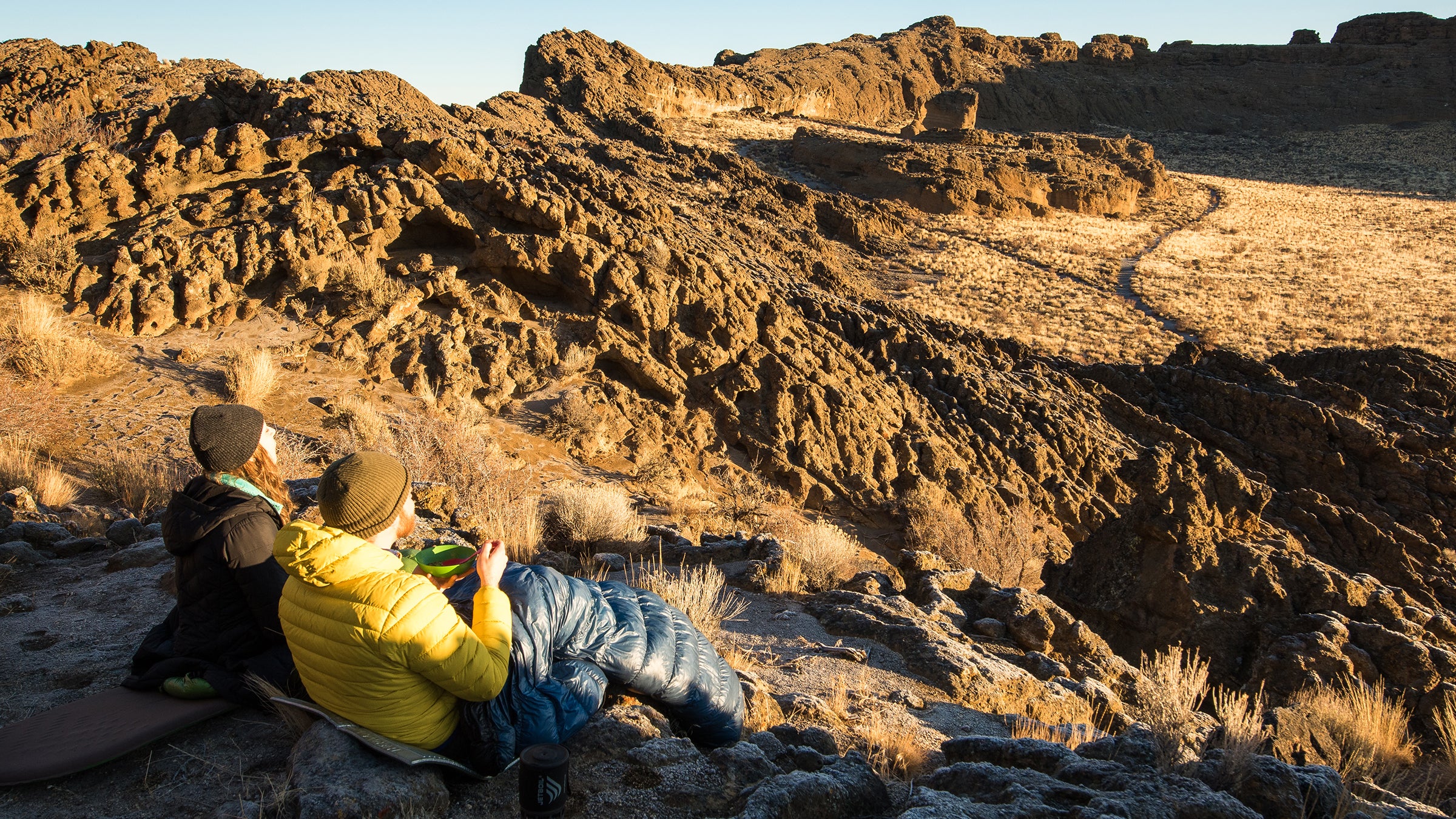
With an entry-level dehydrator, you can turn last night’s leftovers into meals that keep for a year, and are light enough for backpacking.
Four years ago, on the first night of her first solo backpack trip, Julie Mosier sat herself in front of an alpine lake, mixed up her store-bought freeze-dried meal, and took her first bite. “Nope!” she remembers thinking. “I can do better than this.”
After the trip, Mosier borrowed a dehydrator from her dad and went to work. A few years later, when her 25-year-old son, Henry, thru-hiked the John Muir Trail, Mosier had enough practice to make all the food for his resupply. “I told her that all we really cared about were calories and weight,” Henry says. But that wasn’t good enough for Mosier. Henry’s first bite of her pork tamale pie was a game changer. “When people taste her food, they’re like, ‘This tastes like real food,’” he says.
ADVERTISEMENT
That’s because it is real food. With an entry-level dehydrator, you can turn last night’s leftovers into meals that keep for a year and are light enough for backpacking. It’s easy, allows you to control the ingredients, and (in Mosier’s opinion) tastes better than the prepackaged stuff. The mother and son have since started their own dehydrated food company, called Food for the Sole. But they’re not the only people to catch on to the do-it-yourself dehydrated food movement.
It can be an intimidating process to go from unboxing your first dehydrator to a backpacking trip with a bagged meal of your own creation. Once you have the hang of it, though, you’ll wonder why you ate so many mushy bags of freeze-dried beef stroganoff—and paid way too much for it. Here’s a primer to get you started.
Pick Your Proteins Wisely
Don’t use chicken. This is the lesson nearly all beginner dehydrators learn in their first few tries: Chicken is a disaster when dehydrated. “It ends up super hard,” says Claire Cowan, an Ontario-based canoe camper and seasoned DIY dehydrator. If you’re dead set on it, using canned chicken seems to work better.
ADVERTISEMENT
Lean ground beef is a go-to for Glenn McAllister, author of Recipes for Adventure: Healthy, Hearty, and Homemade Backpacking Recipes. Even then, he suggest mixing the ground beef with breadcrumbs while you’re sauteing it. Adding a touch of starch keeps the ground beef from turning “gravelly,” the term for dehydrated meat that’s become rock-hard.
Beans and tofu also make for good sources of protein. McAllister often blends his tofu and legumes into a smoothie-like consistency and dries it as a paste, which he calls a “bark.” The bark travels well and adds richness, flavor, and protein to any meal.
Veg Out
“After a couple days on the trail, it seems like all people want are vegetables,” Mosier says. Lots of veggies hold up surprisingly well to dehydration. Red peppers, zucchini, broccoli, and carrots all work great, she says. The only veggie Mosier says doesn’t snap back to life after rehydration is corn, which has an odd texture. A note of caution: Vegetables like zucchini and celery all contain a lot of water and take a long time to dry out.
All Together or Separate?
There are two types of dehydrated food chefs: those who put the premade beans and rice directly into their dehydrator, and those who dehydrate each ingredient separately and combine the recipe later. Mosier is of the first variety. “That’s how you’d cook at home, so that’s what makes sense to me,” she says.
ADVERTISEMENT
McAllister goes the other way. For him, it’s all about using the same ingredients to create multiple meals. So he’ll dehydrate a range of veggies, mashed potatoes, ground beef, and a few different grains, then store them in separate airtight jars. Before a trip, he’ll mix and match things and add spices.
Actually, there’s a third type. That’s Cowan. She makes most of her meals into dehydrated powder, but at her campsite, Cowan will cook some additional items that don’t dehydrate well. For example, for her chicken pot pie recipe, Cowan cooks the chicken at home and freezes it. The first night of her trip, she’ll add the thawed chicken breasts to her dehydrated stew mixture. Then she tops the whole thing with fresh bannock—a biscuit-like bread.
Which is correct? It doesn’t really matter, because the end product is the same. Do whichever makes the most sense to you.
ADVERTISEMENT
Don’t Stress About Water
Cowan says a lot of people obsess about measuring food before and after it’s dried. “That’s not really necessary,” she says. If you add too much water, just let some of it cook off, or think of your ratatouille as a summer veggie soup. “With hiker hunger, you’re pretty much going to like it even if it’s a little more soup or stew than what you were planning,” McAllister adds.
Fat Is Not Your Friend
This isn’t a statement about nutrition. Fat goes rancid faster than other nutrients, so items high in fat can be a touch risky to dehydrate. That said, Mosier swears that her pork tamale pie, which uses pork butt (a fatty cut of meat), keeps for a year or more without issue.
A Few Other Odds and Ends
-
If you want to dehydrate fish (which actually works well), put your dehydrator in the garage or outside. The smell is terrible.
-
Eggs are pretty much impossible to get right. Don’t even try them.
-
Cheese also turns into a greasy mess, McAllister says.
-
Pasta can sometimes get a bit mushy, Mosier warns. She suggests bringing ramen-style noodles or cooking pasta from its original dried state in the backcountry. Couscous, however, dehydrates nicely.
-
Grains vary in how well they rehydrate. Mosier says quinoa, brown rice, and millet all do pretty well. Try a few options to see what you like before making a huge batch of anything.
-
You don’t need to adjust the salt or spice levels for your recipes. If you have a favorite chili recipe, you can dehydrate it as is, and it will be as salty and flavorful as it was when you made it.
Try Your Own Recipe
Dehydrated Chili, Courtesy of Glenn McAllister
Ingredients
-
1/2 cup breadcrumbs, finely ground
-
1 to 1 1/4 pounds lean ground beef or turkey
-
Olive oil
-
1 large onion
-
1 to 2 cloves garlic
-
3 tablespoons chili powder
-
10-ounce can tomato puree
-
14-ounce can diced tomatoes
-
15-ounce can kidney or red beans, drained
In the Kitchen
- Work breadcrumbs into ground meat with your fingers and set aside for a moment. This will help rehydrate the meat and lock in more of the chili flavor. You can make your own breadcrumbs by dehydrating bread.
- Saute onion and garlic in a little olive oil, using just enough to coat the pan. It really helps to use a nonstick pan.
- Add ground meat and cook for about ten minutes until browned, stirring continuously.
- Add chili powder and cook for one more minute.
- Add tomato puree, diced tomatoes, and drained beans.
- Cook until bubbling; reduce heat to a simmer for one hour.
Dehydrate
- Have a taste and put the rest in the refrigerator overnight. The extra time enhances the flavor. Hitting the trail in the morning? Start dehydrating immediately.
- Spread chili out on dehydrator trays covered with nonstick Paraflexx sheets or parchment paper.
- Dehydrate at 125 degrees Fahrenheit for eight to ten hours. This recipe took up three 15×15-inch Excalibur dehydrator trays. After about four hours in the dehydrator, use a spoon or your fingers to break up any meat and beans that might be stuck together to expose pieces to more air circulation.
- Once dry, divide dehydrated chili into one cup or larger servings and pack in Ziplocs.
Yield: Five cups weighing about 12 ounces dry.
ADVERTISEMENT
On the Trail
- Combine one cup chili with one cup water and let sit about five minutes. If you’re cooking a larger serving, just add an equal part of water to your dried chili.
- Light your stove, bring chili to a boil; continue cooking for one minute.
- Remove pot from stove and place inside an insulating pot cozy for ten minutes.
- Garnish chili with crackers, dried pita chips, or cheddar cheese.
