Published January 11, 2024 08:44AM
8 Things to Get You Psyched About Running in 2024
With the Olympics, otherworldly shoes, and trail running at a crossroads, 2024 could be the most fascinating year in running ever

(Photo: Getty)
Every year is a good year for running, but this one could be the best one yet. With fast shoes, a year of high-level races, and more people participating than ever before, it’s bound to be a stellar year.
Here are a few key things we can look forward to on the track, trails, and roads in the year ahead.
1. Six Olympians Will be Crowned at the U.S. Olympic Trials Marathon
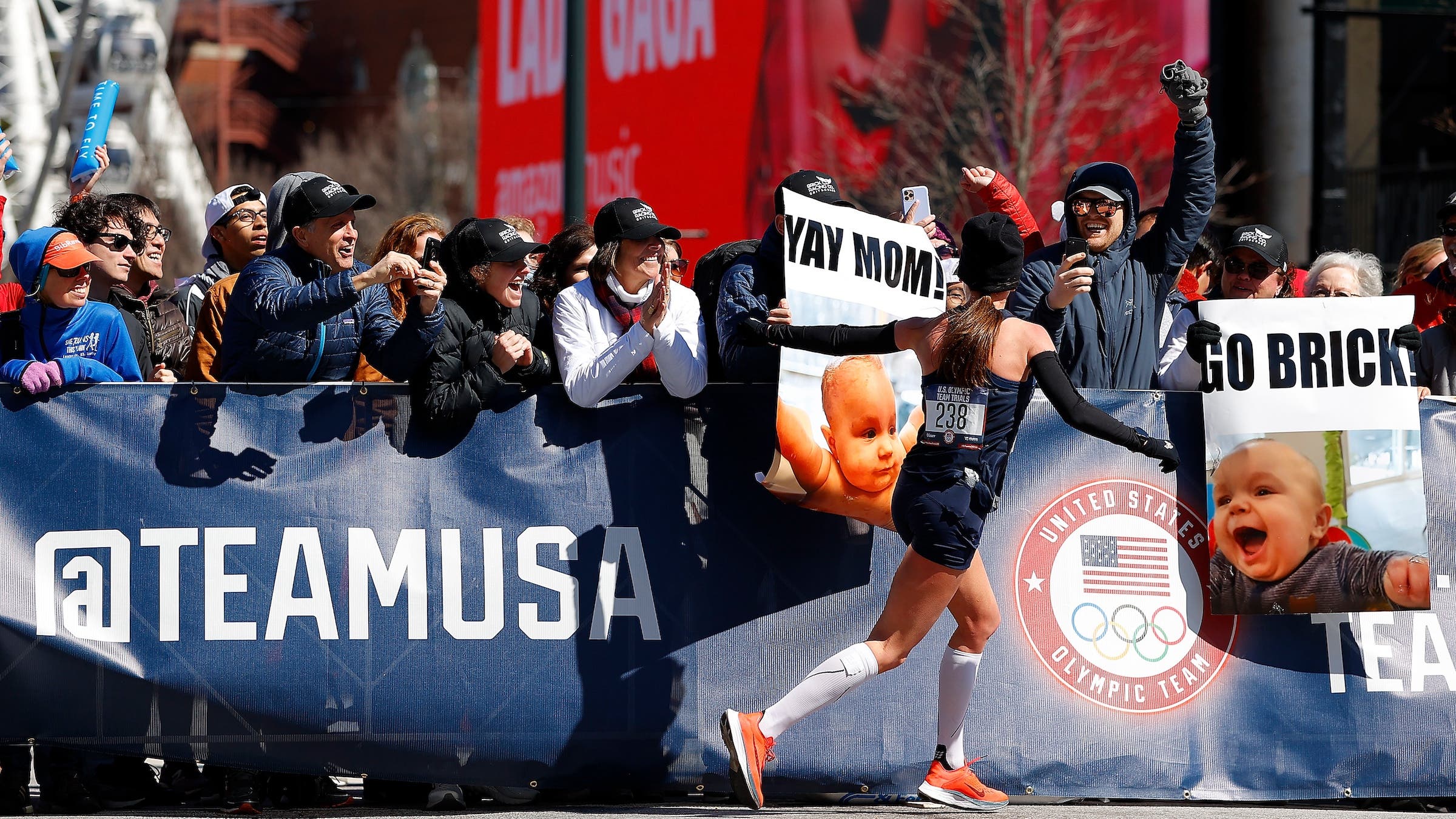
As much as the Boston, Chicago, and New York City marathons are scintillating races with the world’s fastest runners—and the races everyone wants to run—the U.S. Olympic Trials Marathon will be the best 26.2-mile tilt on U.S. soil this year.
On February 3 in Orlando, Florida, approximately 400 runners (227 men, 173 women) of the country’s best distance runners will line up for an all-out quest to earn a spot on the U.S. Olympic Team that will compete in the marathon at this summer’s Paris Olympics.
ADVERTISEMENT
Truth to be told, only a handful of runners have a real shot at finishing in the top three of the men’s and women’s races to make the team, but what makes it compelling is that dozens of runners should be in the mix at the halfway point and nobody knows how it will play out. Plus, while some of the runners are pros, most work full-time jobs or are parents. The Olympic Trials only occur every four years, but this race boasts the deepest field of American runners, and it’s a badge of honor for every qualifier to see how they stack up among the best in the country.
The spectator-friendly course through downtown Orlando consists of a 2.2-mile mini loop to start, followed by three successive 8-mile loops that start and finish adjacent to Walt Disney Amphitheater at Lake Eola Park.
“It’s beautiful, it’s flat, and it’s fast,” says Keira D’Amato, the former American record holder in the marathon and second-fastest entrant with a personal best time of 2:19:12.
The men’s and women’s races will run simultaneously with a 10-minute stagger between start times, with all the action being broadcast on Peacock and NBC.
ADVERTISEMENT
2. This Year’s New Shoes Are Otherworldly
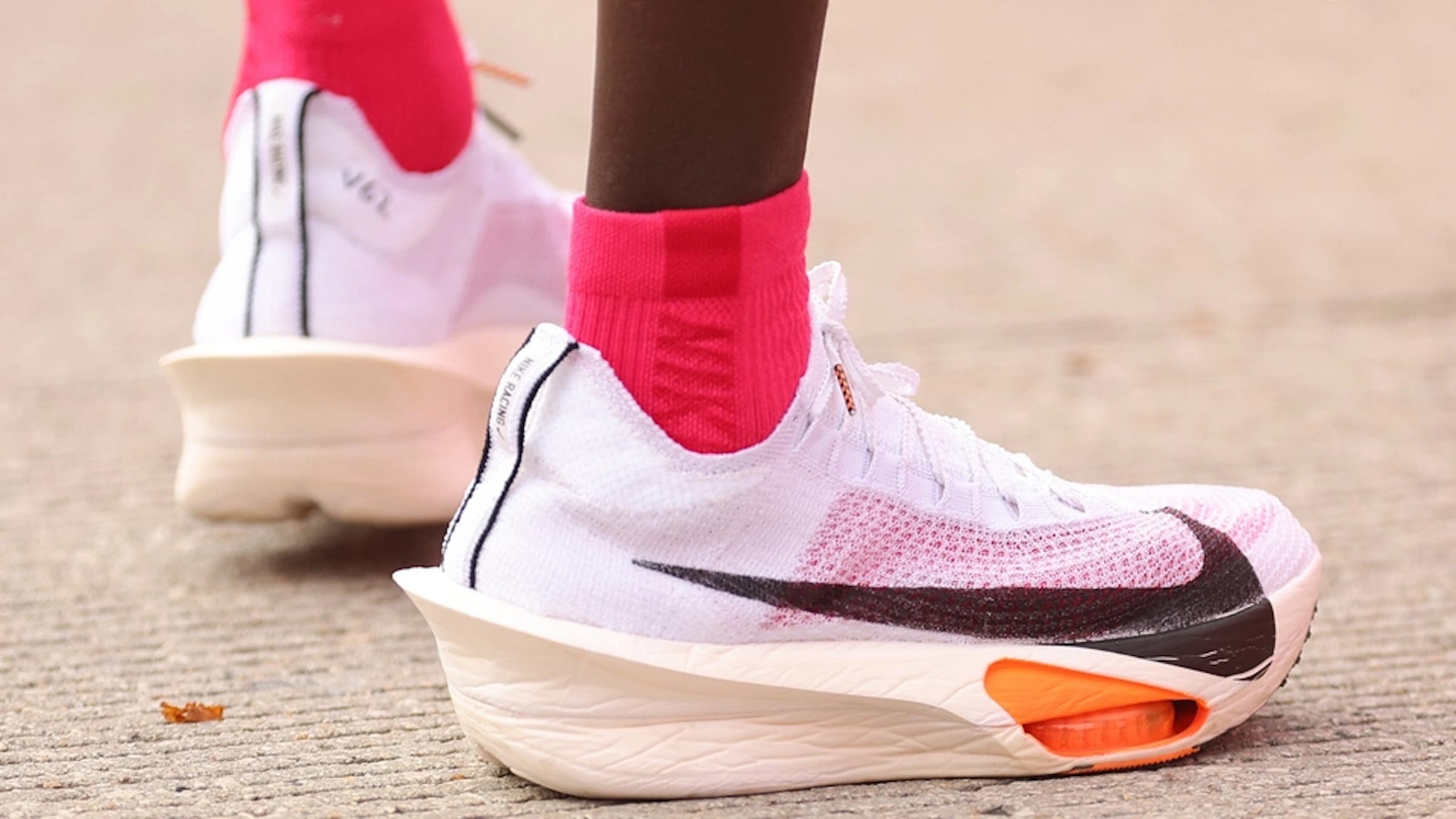
Running shoes have kept getting better and better over the past five or six years, but this year’s crop is definitely the best ever produced. If you missed the chance to buy a pair of maximally cushioned carbon-plated Nike Alphafly 3 ($275) marathon racers last week, you’re out of luck for a while—unless you want to pay a premium on secondary resale sites. (They’ve been selling for $300 to $600, but the even more rare Adidas Pro Evo 1 are reselling above $1,000.)
There are a lot more top-tier racing shoes on the way, including the New Balance FreshFoam SuperComp Elite 4 ($250), Puma Fast-R Nitro Elite 2 ($260), and Salomon S/Lab Spectur ($250), the latter of which is specifically designed for 3:30 to 4:30 marathoners. (Plus, there will be several more elite-level carbon-plated racing shoes debuting on February 1-2 just before the U.S. Olympic Trials Marathon.)
There’s also a wide range of cushy trainers to look forward to this year—including Asics Gel-Nimbus 26 ($160), Topo Specter 2 ($165), Under Armour Infinite Elite ($160), and Brooks Ghost Max ($150)—as well as intriguing high-performance trail shoes like Hoka’s Tecton X 3 ($275), Brooks Catamount Agil ($180), and Adidas Terrex Agravic Speed Ultra ($220).
RELATED: The Running Shoes We’re Most Excited to Try in 2024
ADVERTISEMENT
3. Ultra-Distance Trail Running Is Booming (and also Splintering)

Thanks in large part to the growth of the Ultra-Trail du Mont-Blanc (UTMB) World Series, ultra-distance trail running continues to surge on a global basis. Although there has been some elite-level pushback related to UTMB-Ironman business tactics and a lack of sufficient prize money, the series’ 2024 registration numbers have continued to soar.
On January 8, four-time UTMB winner Kilian Jornet of Spain and last-year’s runner-up Zach Miller of the U.S. emailed dozens of elite runners in an attempt to create an elite-athlete boycott of this year’s UTMB World Series Finals—the OCC 50K, CCC 100K and UTMB 171K events—slated for August 26 to September 1 in Chamonix, France. When this news broke it was met with an interesting mix of both enthusiastic support and harsh criticism.
Jornet and Miller said they’re interested in organizing an alternative championship-style race, possibly at one of the races of the newly conceived World Trail Majors—a series of nine independent international races that began organizing more than a year ago as an alternative to the UTMB circuit but, as of yet, has no major sponsors or prize purse.
Amid the tension, the UTMB World Series is expected to fill its championship fields through its January 11 lottery (revealed on January 16), which, if some athletes choose not to race, will likely mean some new international stars will be crowned in Chamonix.
ADVERTISEMENT
Trail running is growing on six continents and that growth has boosted the interest to travel to destination races in spectacular places, both for elite athletes and amateur/age-group runners. While large-scale races have contributed a lot to the excitement, growth, exposure, and sponsorship opportunities, the familiar community vibe common to many regional grassroots races—the sometimes overbearing notion of “trail culture”—has proven hard to scale with the growth of large international races. The good news is there are more races around the world and around the U.S.—including the growing race offerings of Aravaipa Running, Freestone Endurance, and Daybreak Racing—than ever before, so runners can find events that suits their distance, style (and budget).
4. Marathon Participation Is Surging
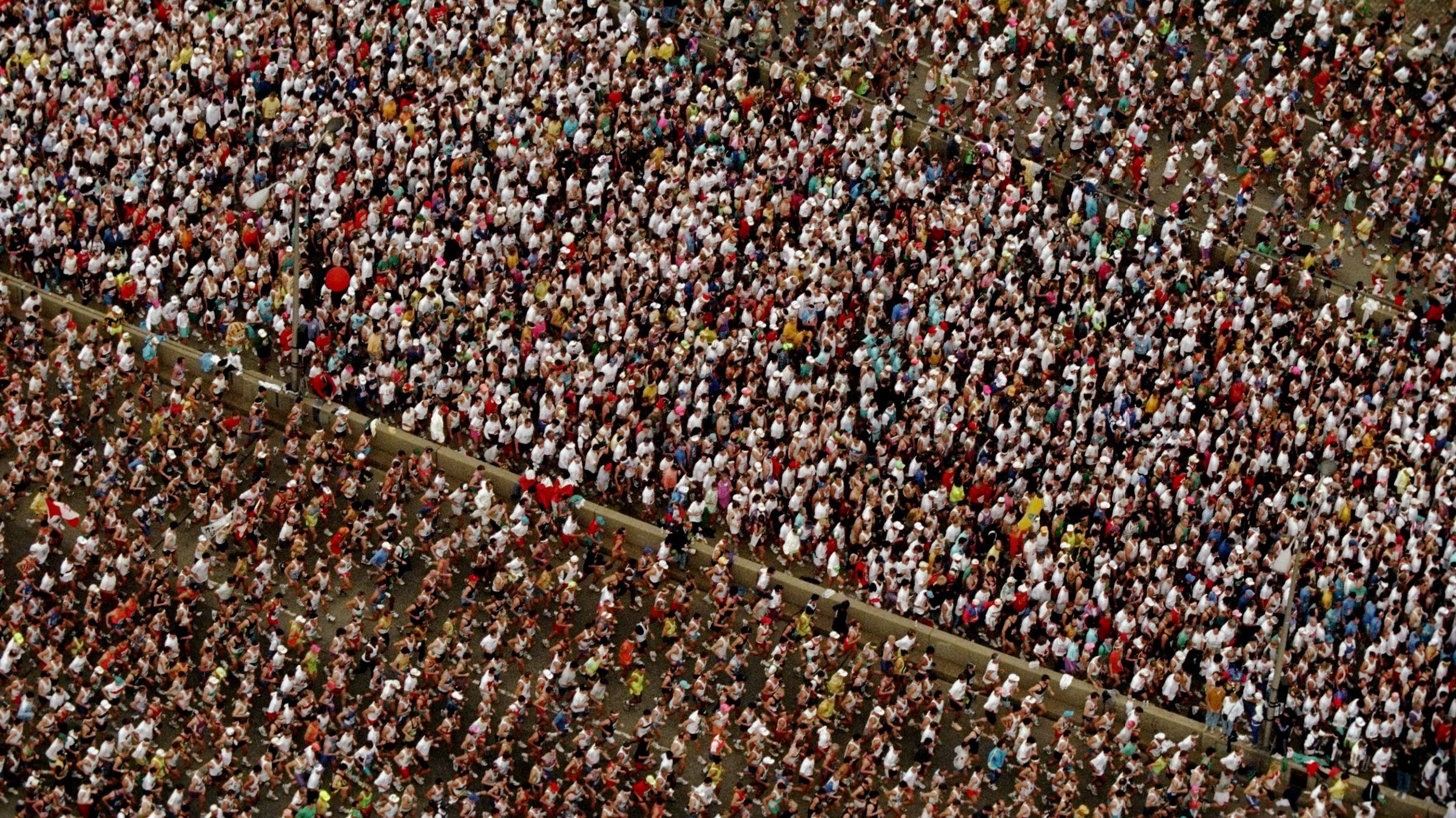
Are you running a marathon this year? After several years of decline in the mid-2010s, marathons are back in vogue.
There’s been a new surge in marathon participation afoot in the U.S. since racing resumed after the COVID-19 pandemic. Race participation grew 16 percent in 2022, according to Running USA’s U.S. Running Trends Report, but data from 2023 is expected to show even bigger gains.
The 2023 Chicago Marathon had more finishers than ever before in 2023 (48,398), while the New York City Marathon came close to its all-time mark with 51,402. Looking ahead, Grandma’s Marathon, set for June 22 in Duluth, Minnesota, recently had its second-fastest sellout in the race’s 47-year history, while the March 17 Los Angeles Marathon is one of many growing domestic races expecting bigger fields this year.
What’s fueling the boost? There’s been a massive influx of new runners from the Millennial and Gen Z populations, a growing influx of BIPOC runners entering marathons, plus a resurgence of lapsed runners returning to action. Livestream and TV broadcasts of top performances in Boston, Chicago, and New York have also likely helped, as has the huge increase in social influencer video content on Instagram and TikTok.
ADVERTISEMENT
5. The Rise of Short-Distance Trail Racing
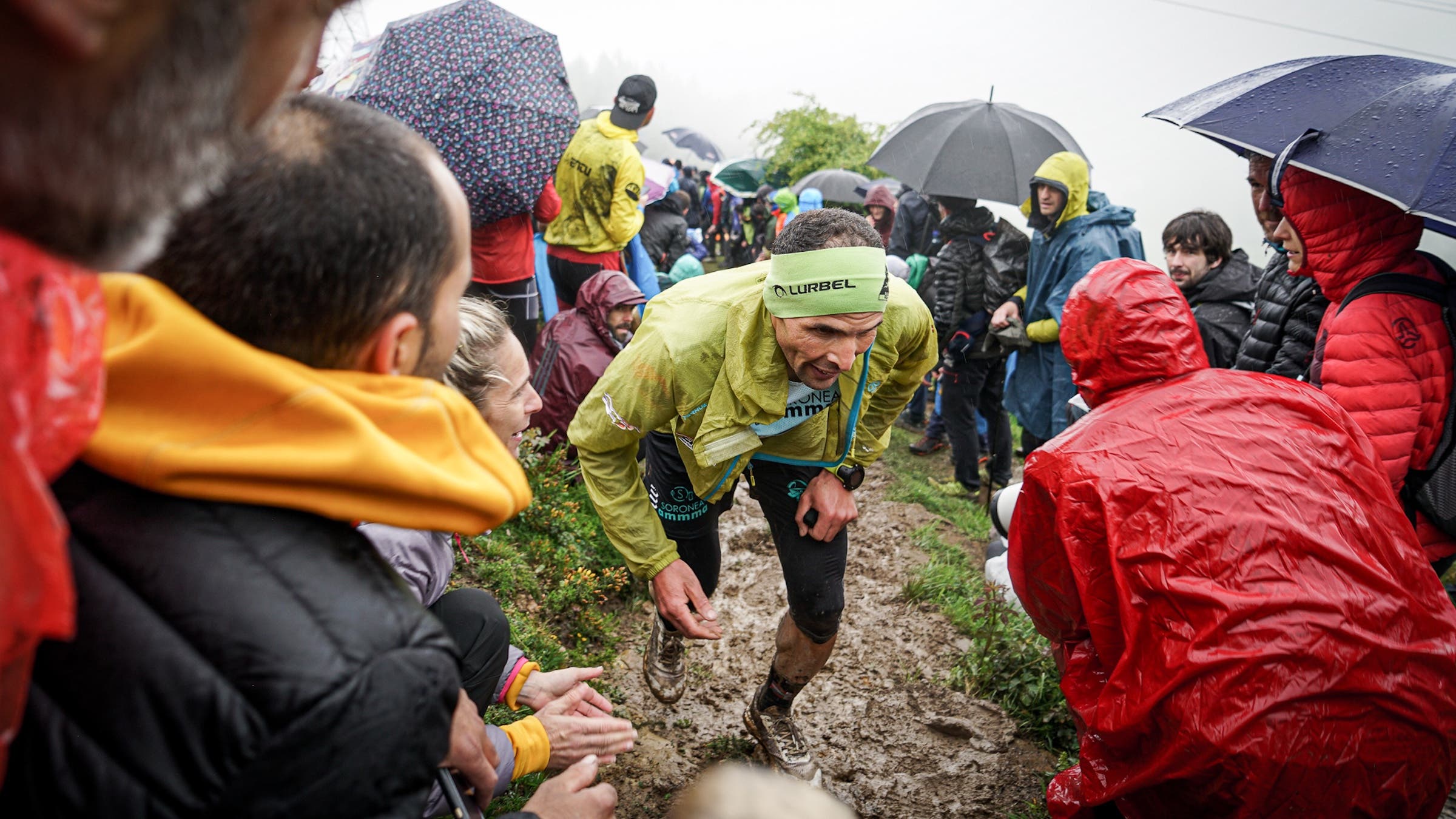
While ultra-distance trail running continues to surge and endure growing pains, most recreational runners still aren’t going to be compelled to enter a 100K or 100-mile race this year. However, short-distance trail racing and mountain running have become a much more accessible and enticing way to get involved in trail running and could be where a lot of trail growth happens in 2024.
Trail races from 5K to the marathon have exploded across the U.S., particularly near major population centers—for example, check out the new NYC Trail Fest on May 31 at Palisades Interstate Park just a stone’s throw from Manhattan, The Forge Race Series outside of Chicago and the SoCalTrail series west of Los Angeles.
This year, the global Euro-centered Golden Trail World Series (GTWS) has expanded into China and Japan for the first time and now includes two mid-September races in California, the Headlands 27K and the Mammoth 26K. Other key events in the sub-ultra world of trail running include the June 21-23 Broken Arrow SkyRace in Olympic Valley, California, the 2024 U.S. Mountain Running Championships on July 13 in Snowbird, Utah, the second annual Dirt Circus festival of trail running in Bentonville, Arkansas, which is hosting the USATF 10K Trail Running Championship on November 16, the global Xterra Trail Run and Spartan Trail series, and the six-race Cirque Series mountain running circuit at ski resorts throughout the West.
RELATED: The Rise of Shorter and Faster Trail Racing
ADVERTISEMENT
6. Beer Mile Madness Will Escalate
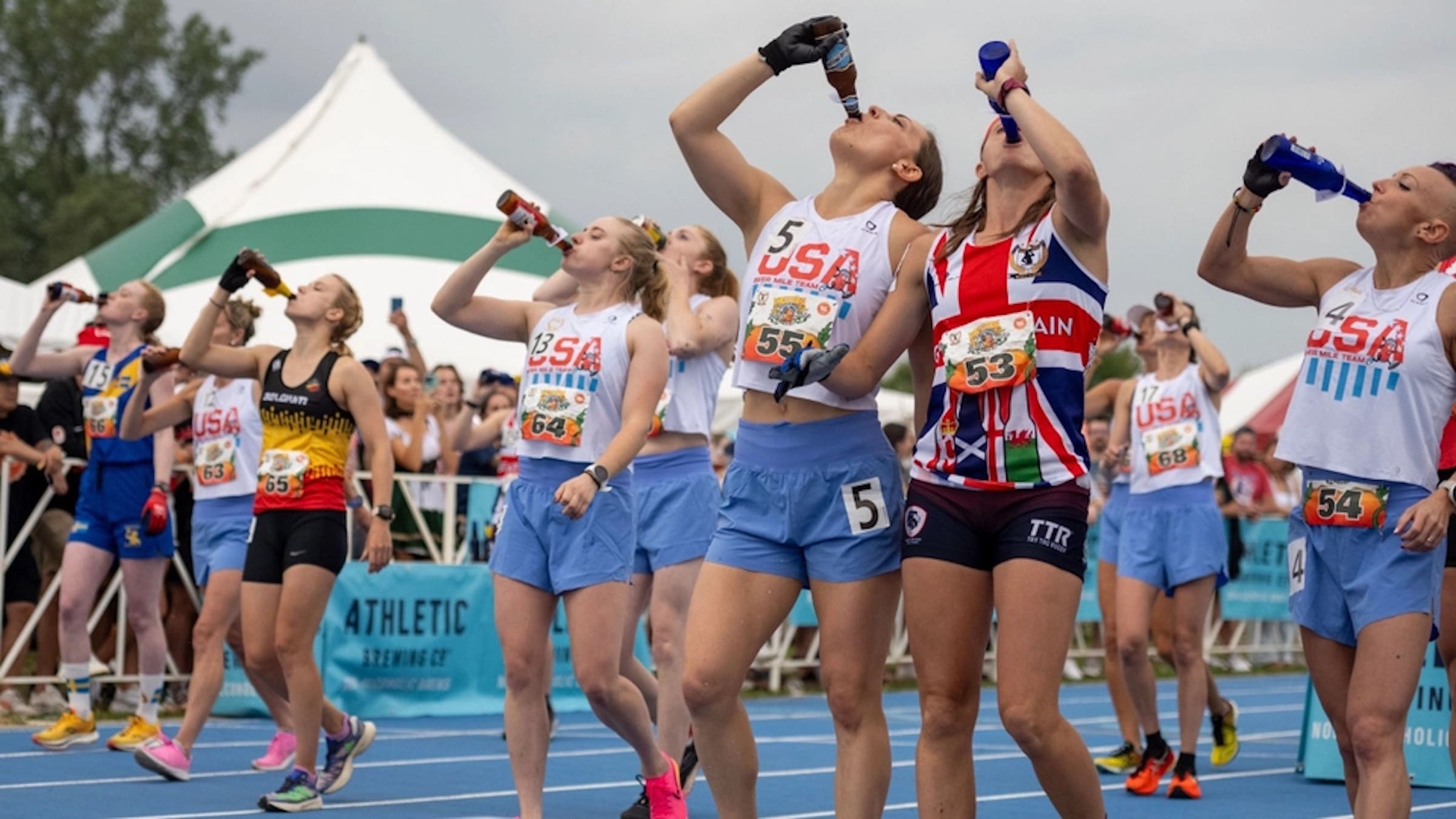
The intersection of beer and running continues to proliferate by way of post-race beer gardens, runners sponsored by beer brands, running stores with beer taps and, of course, running of beer miles. (A beer mile consists of pounding a 12-ounce beer, then running a lap on a 400-meter track four times in succession.)
Last summer in Chicago, Canadian beer miler extraordinaire Corey Bellemore ran an impressive 4:30.79 to win the 2023 Beer Mile World Classic in Chicago. (He actually ran about a 4:02 mile if you consider that he had chugged each beer in about four seconds then averaged 60.50 400-meter splits!)
Meanwhile, suspended American track star Shelby Houlihan, unable to compete on the U.S. or international circuit until 2025, became the first woman to break the 6-minute plateau last summer with a 5:43.81 women’s world record. This year’s championship will be held on August 17 in Windsor, Ontario Canada—Bellemore’s hometown. In the meantime, look for the release of the world’s first beer mile documentary film sometime this spring.
RELATED: How to Run a 4:30 Mile (and Crush Four Beers Along the Way)
ADVERTISEMENT
7. Track and Field Will Headline the Paris Olympics
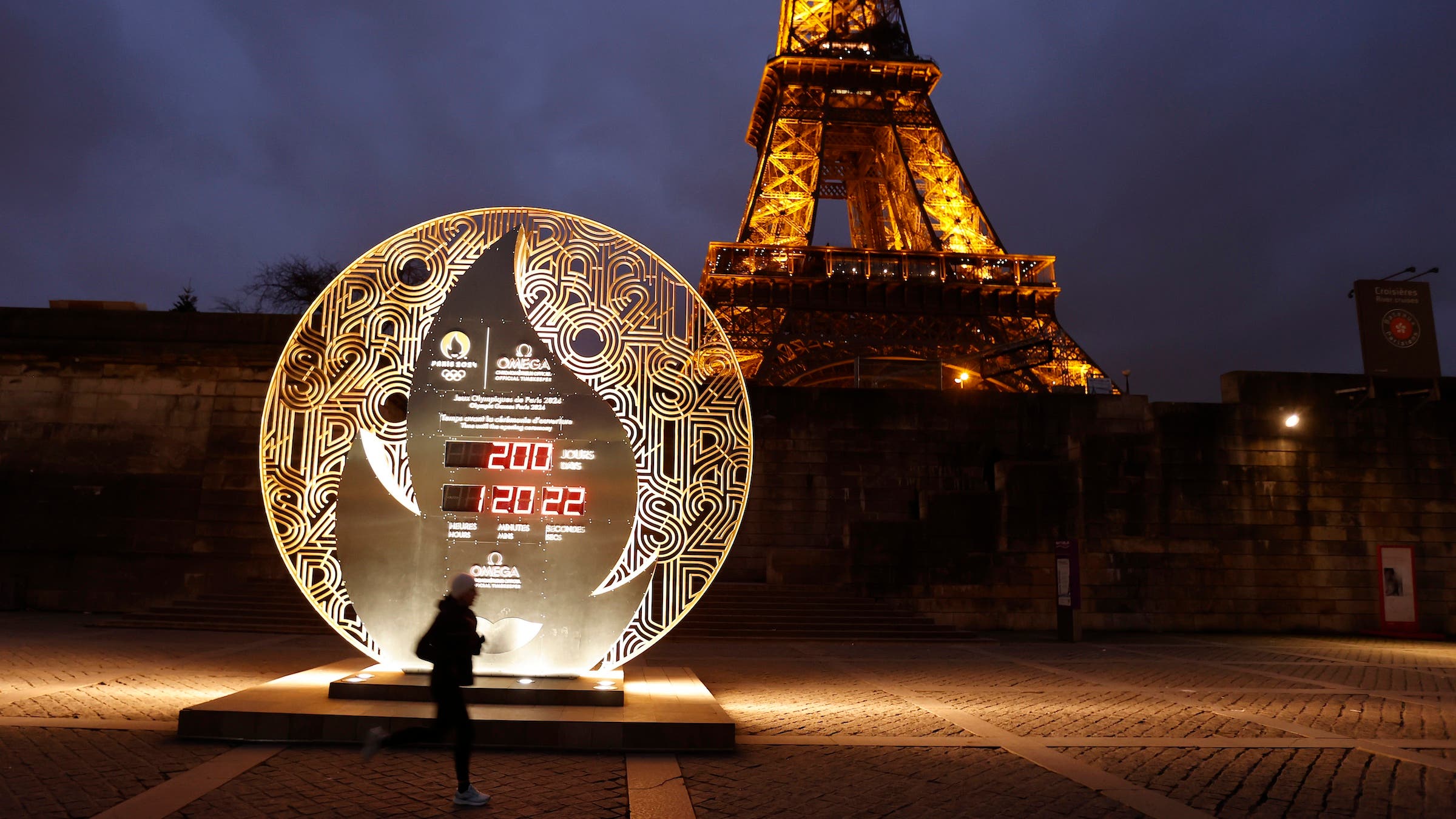
The Paris Olympics are shaping up to be a once-in-a-generation event—or at least considerably more exciting and visually compelling than the COIVD-19-dulled Tokyo Olympics of 2021. Slated for July 26-August 11, the Summer Games will showcase the world’s top track and field stars, including Kenyan marathon king Eliud Kipchoge, who seeks an unprecedented third consecutive Olympic gold medal, American track queens Sydney McLaughlin-Levrone, Athing Mu, and Sha’Carri Richardson, as well as Norway’s middle-distance phenom Jakob Ingebrigtsen, Swedish world-record pole vaulter Mondo Duplantis and U.S. sprint champion Noah Lyles.
Running has never been more competitive and, with the advanced technology of footwear providing an added boost in distance running, sprinting, and field events, the marathons and track and field performances should be out of this world.
RELATED: When Will Eliud Kipchoge Slow Down?
ADVERTISEMENT
But this summer’s Olympics are not just about watching races unfold. On the night between the running of the men’s marathon on August 10 and the women’s marathon on August 11, the Olympics will also host first-of-its-kind citizen’s marathon and 10K races on the adjacent courses through central Paris. The Mass Participation Marathon will begin at 9 P.M. from Paris Hotel de Ville, while the 10K will begin at 11:30 P.M. from Paris City Hall. Both will finish at the historic Hôtel des Invalides. (Sorry, both events are sold out!)
However, if you want to tackle the Olympic marathon course on a treadmill, you can sync up a high-tech treadmill with the Kinomap indoor training app, which will then display a video recording of the exact route marathoners will run from Paris to Versaille and back. The resistance level and incline of the equipment will be automatically adjusted to match the route on the screen, giving users a unique training experience as close to the real Olympic courses as possible.
8. Marathoners Might Soon Focus on Running in Sydney

If you’ve been chasing a Six Star Medal of the Abbott World Marathon Majors—a shiny piece of finisher’s hardware earned once you complete the Boston, Chicago, New York, Berlin, London and Tokyo marathons—you might need to pack your running shoes on a trip to Australia.
Abbott World Marathon Majors confirmed late last year that the Sydney Marathon became the first race to proceed to the second stage of the process to join the international marathon series. If it meets the appropriate criteria for a second consecutive year when it stages its 2024 race on September 15, it would join the World Marathon Majors in 2025 and become the first new race added to the series since the Tokyo Marathon joined in 2013.
In the meantime, many runners will be heading to Sydney this year because it will host the 2024 Age Group World Championships. (Runners who participate in the 2024 championships will receive a provisional WMM star at the race.)
RELATED: Will Sydney Become the Next World Marathon Major?
ADVERTISEMENT
