Updated March 25, 2026 03:25PM
If you buy through our links, we may earn an affiliate commission. This supports our mission to get more people active and outside.Learn about Outside Online's affiliate link policy
Ultramarathron Runner Latoya Shauntay Snell's Anti-Inflammatory Salmon and Kale Salad Recipe
Nutrient-dense, delicious, and super easy to make

(Photo: Salmon croquette kale salad: Ashia Aubourg; Latoya Shauntay Snell: Astrid Stawiarz/Stringer/Getty; Collage: Ayana Underwood/Canva)
In the middle of training for two marathons and an ultramarathon in 2017, medical professionals diagnosed culinary arts professional turned long-distance runner, and body politics advocate Latoya Snell, with stage four rectovaginal endometriosis. In this stage of the condition, the endometrial lining grows in places it shouldn’t, such as the ovaries, fallopian tubes, bowels, bladder, and in the rarest cases, the lungs.
While everyone’s experience with endometriosis is different, typical symptoms include: debilitating pelvic pain, heavy periods, fatigue, and miscarriage, none of which are foreign to Snell. Snell says she’s “normalized painful periods, frequent moments of passing out, anemia from blood loss, and clotting” since she was nine.
As an endurance athlete, she tried just about everything to keep going, things like wearing a portable heating pad during runs, massaging CBD oils on her waist and pelvic regions, managing pain with medication, and even layering diapers with tampons during races to mitigate heavy bleeding. She also began changing her diet upon noticing that some foods trigger symptoms.
Snell prioritizes recipes that fuel her, and most importantly, taste good. “Just because I have a chronic condition does not mean I need to sacrifice flavor,” she says.
Her culinary skills, combined with the cooking wisdom passed down from her family, inspired her to create endometriosis-friendly meals that are not only energizing but also nutrient-dense and bursting with flavor.
ADVERTISEMENT
Her go-to meal when facing a painful flare-up is a hearty salad loaded with kale, tender sweet potatoes, creamy avocado, and topped with crispy salmon croquettes.
In her youth, Snell found comfort in her family’s homemade fish fritters. It was a simple way to unwind from any stress. “On the weekends, my mother and father rotated making salmon cakes,” she says. As an adult, she remixed this childhood meal with nutritious ingredients. It’s now her go-to dish during training seasons.
Just because I have a chronic condition does not mean I need to sacrifice flavor.
Inspired by Snell’s story and culinary prowess, I decided to try her salmon croquette kale salad for myself. I also chatted with a registered dietitian nutritionist who chimed in on how Snell’s favorite meal supports those with endometriosis and helps boost energy levels.
Here’s what I learned.
ADVERTISEMENT
How to Make Latoya Snell’s Salmon Croquettes with Kale and Sweet Potato Salad
Servings: 2
Prep Time: 15 minutes
Cook Time: 45 minutes
Total Duration: 1 hour
ADVERTISEMENT
Salmon Croquette Ingredients
- 1 (15-ounce) canned salmon—tuna is fine, too—drained, bones and skin removed, and broken into chunks
- ½ teaspoon kosher salt
- ½ teaspoon black pepper
- ½ teaspoon garlic powder
- ½ teaspoon onion powder
- ½ teaspoon cayenne pepper
- 1 small yellow or white onion, diced
- ¼ cup red bell pepper, diced
- ¼ cup green bell pepper, diced
- 1 egg, beaten with a whisk or fork
- ½ cup panko bread crumbs
- ¼ cup all-purpose flour
- ½ cup vegetable, canola, or avocado oil
Kale and Sweet Potato Salad Ingredients
- 1 pound sweet potato, washed, diced (pre-cut and pre-washed works fine, too)
- 2 teaspoons olive oil
- Salt and pepper, to taste
- ½ teaspoon dried parsley
- 1 teaspoon garlic powder
- 4 cups kale, roughly chopped
- 1 red onion, thinly sliced
- 1 avocado, diced
- Store-bought salad dressing: balsamic or sherry vinaigrette
- Optional add-ins: walnuts, almonds, feta, goat cheese
Recipe
- Heat a pan and add about half a teaspoon of olive oil. Sauté the onions, red peppers, and green peppers for a few minutes, until they have softened. While that’s cooking, mix the panko bread crumbs and all-purpose flour in a bowl. Then, add the drained salmon, salt, black pepper, garlic powder, onion powder, cayenne pepper, the sautéed veggies, and the egg to that bowl. Stir everything together until it’s well combined. Shape the mixture into six to eight patties.
- Preheat a cast-iron skillet over medium heat and add a half cup of avocado oil. Once the oil is hot, gently place the salmon croquettes in the pan, being careful not to overcrowd it. Fry them for about three to four minutes on one side, or until they turn golden brown. Then flip and cook the other side the same way. Once they’re done, transfer the croquettes to a plate lined with paper towels to absorb any excess oil.
- Preheat the oven to 425ºF. In another bowl, toss the sweet potatoes with salt, pepper, garlic powder, dried parsley, and a tablespoon of olive oil. Spread them out on a parchment-lined sheet pan to prevent sticking. Bake the sweet potato for about 30 minutes, or until it’s tender.
- Add the kale to a bowl, drizzle with one tablespoon of olive oil, and sprinkle with a pinch of salt and pepper. Because kale is very crunchy and coarse, use your hands to gently massage it for a couple of minutes until it softens.
- To assemble the salad, toss the kale, roasted sweet potatoes, avocado, red onions, and any additional add-ins you prefer—like nuts or cheese—with the dressing. Mix all the ingredients and transfer them to a bowl. Then, top it off with the crispy salmon croquettes and dig in.
The Verdict: This Meal Just Made It to My All-Star Lineup
As a Haitian-American, I grew up eating salt-fish fritters, so Snell’s version hit the spot and brought back all the nostalgic feels. I got to enjoy one of my childhood favorites in an entirely new way. It took less than an hour to prepare this meal from start to finish, and I even found meditative moments while forming the patties and massaging the kale.
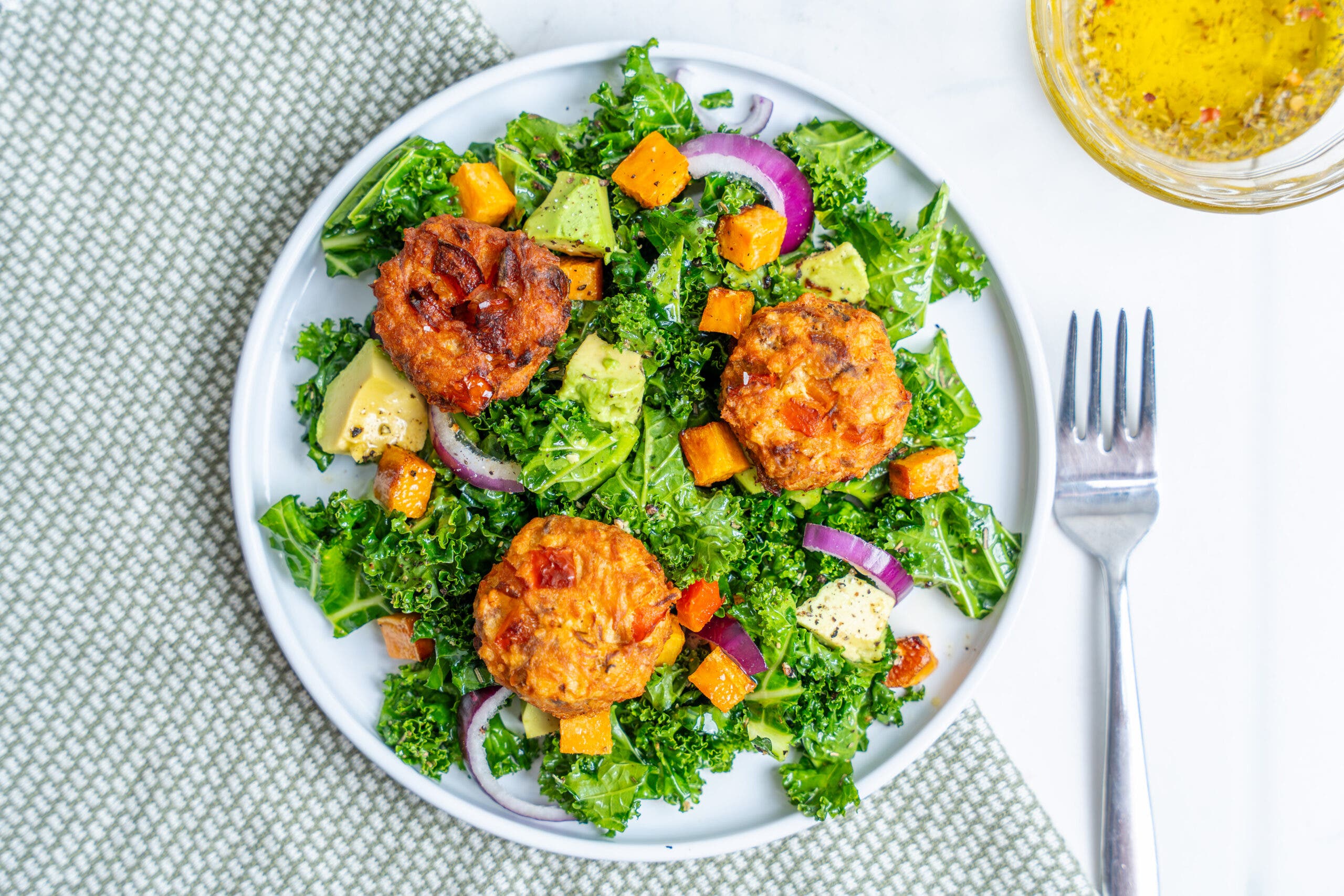
I opted for canned tuna instead of salmon because I already had some in my cabinet. The croquettes came out crispy and golden, with a tender interior loaded with sweet notes from the sautéed peppers and onion, plus a subtle spicy kick from the cayenne pepper.
ADVERTISEMENT
The kale salad, packed with creamy avocado and tender sweet potato, added bites with contrasting textures that harmoniously complemented the fritters. I’m honestly counting down the days until I can make this meal again.
Snell’s Recipe Is the Perfect Recovery Meal
Claire Rifkin, a registered dietitian nutritionist based in New York City, says Snell’s salmon croquette kale salad hits all the critical marks.
Here’s why.
It’s Rich in Complex Carbs
“The combo of complex carbs from the sweet potatoes, healthy fats from the avocado, and protein from the salmon is perfect for giving her slow, steady energy that can carry her through a long endurance run,” says Rifkin.
If you want to spruce it up a bit, try drizzling on a citrus vinaigrette—think lemon, lime, or orange. It adds a bright, zesty flavor and can help boost iron absorption from the kale and sweet potatoes. “Iron is not only important for athletic performance because of its role in oxygen transport, but it’s also crucial for people who menstruate and need to regularly replenish their iron stores,” she says.
ADVERTISEMENT
Healthy Fats Reduce Inflammation and Pain
“Salmon is a great protein choice because it’s rich in omega-3 fatty acids,” says Rifkin. Research shows that omega-3s can help lower inflammation and may even ease symptoms like pelvic pain and dysmenorrhea for people living with the condition.
Additionally, folks with endometriosis often deal with higher levels of oxidative stress, and sweet potatoes are a great source of beta-carotene, which supports immune function and may help reduce that stress, she says.
The Best Part? It’s Super Easy to Prep in Advance.
Flare-ups can make it tough to find the energy to cook a nourishing meal. “When you have a window of feeling good, being able to prep a few nourishing meals can make a big difference on the tougher days when cooking just isn’t possible,” says Rifkin. “Some days or weeks don’t feel too great. In those moments, I honor my feelings and frustrations, and determine what my pain tolerance looks like,” says Snell.
ADVERTISEMENT
To prepare this salad ahead of time: leave out the dressing and avocado, then store it in an airtight container in the refrigerator for up to four days. When ready to eat, add your toppings and drizzle on the vinaigrette. The croquettes hold up well, too. Keep them in an airtight container in the fridge for up to four days, then reheat in the oven or air fryer.
Want more of Outside’s Health stories? Sign up for the Bodywork newsletter.
